Smart Waste & Recycling Technology
Students build recycling apps, waste sorting ideas, environmental AI tools and smart waste reporting systems.
- Recycling apps
- Environmental AI solutions
- Smart waste management
- Community recycling awareness tools
Student innovation projects
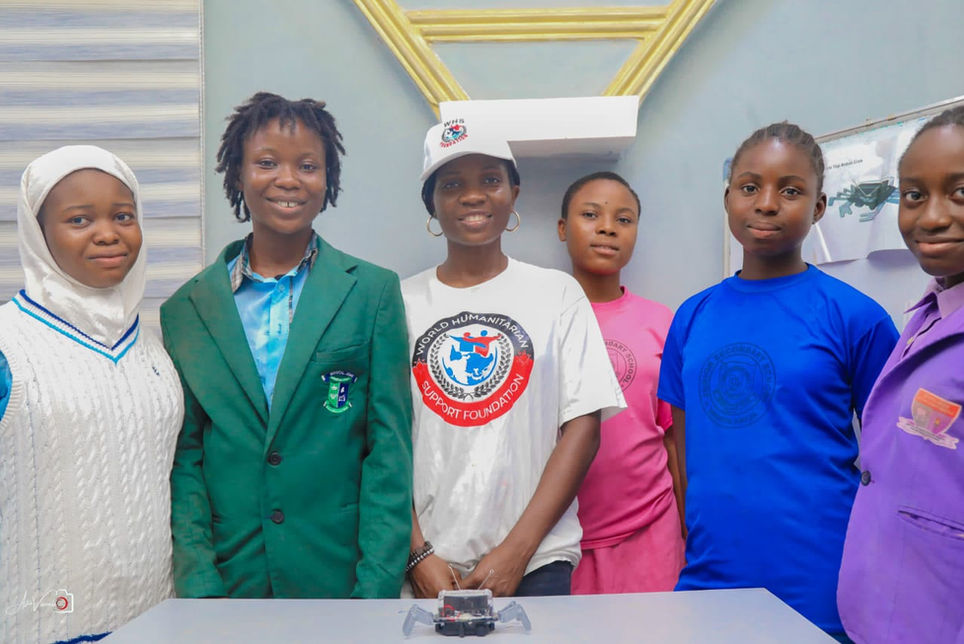
WHSF students can learn by creating practical solutions in artificial intelligence, IoT, digital health, recycling, disaster response, smart villages and environmental monitoring.
What students can build
These project pathways can support WHSF ICT Girls Club, TechWomen, e-learning, community innovation labs and future student competitions.
Students build recycling apps, waste sorting ideas, environmental AI tools and smart waste reporting systems.
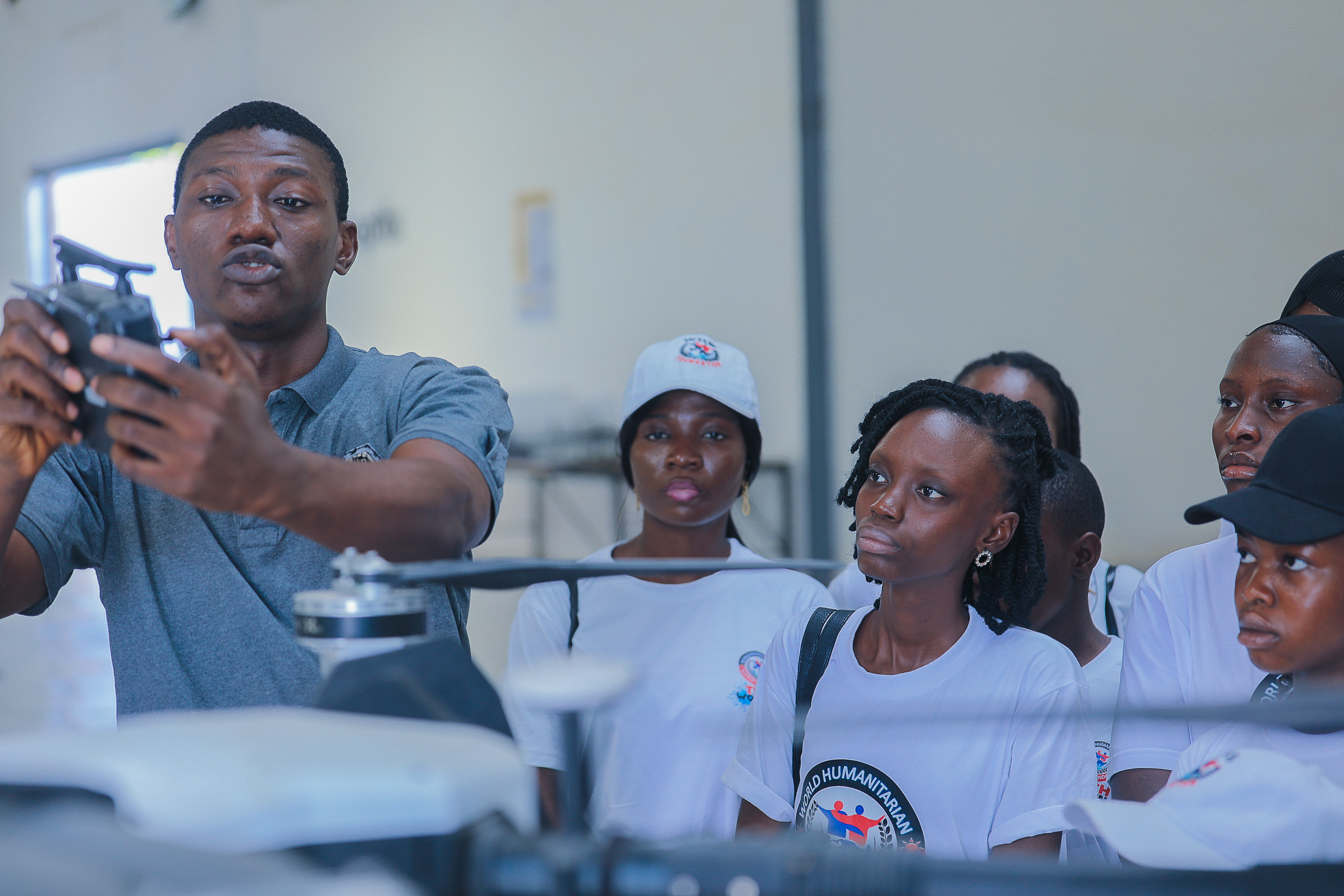
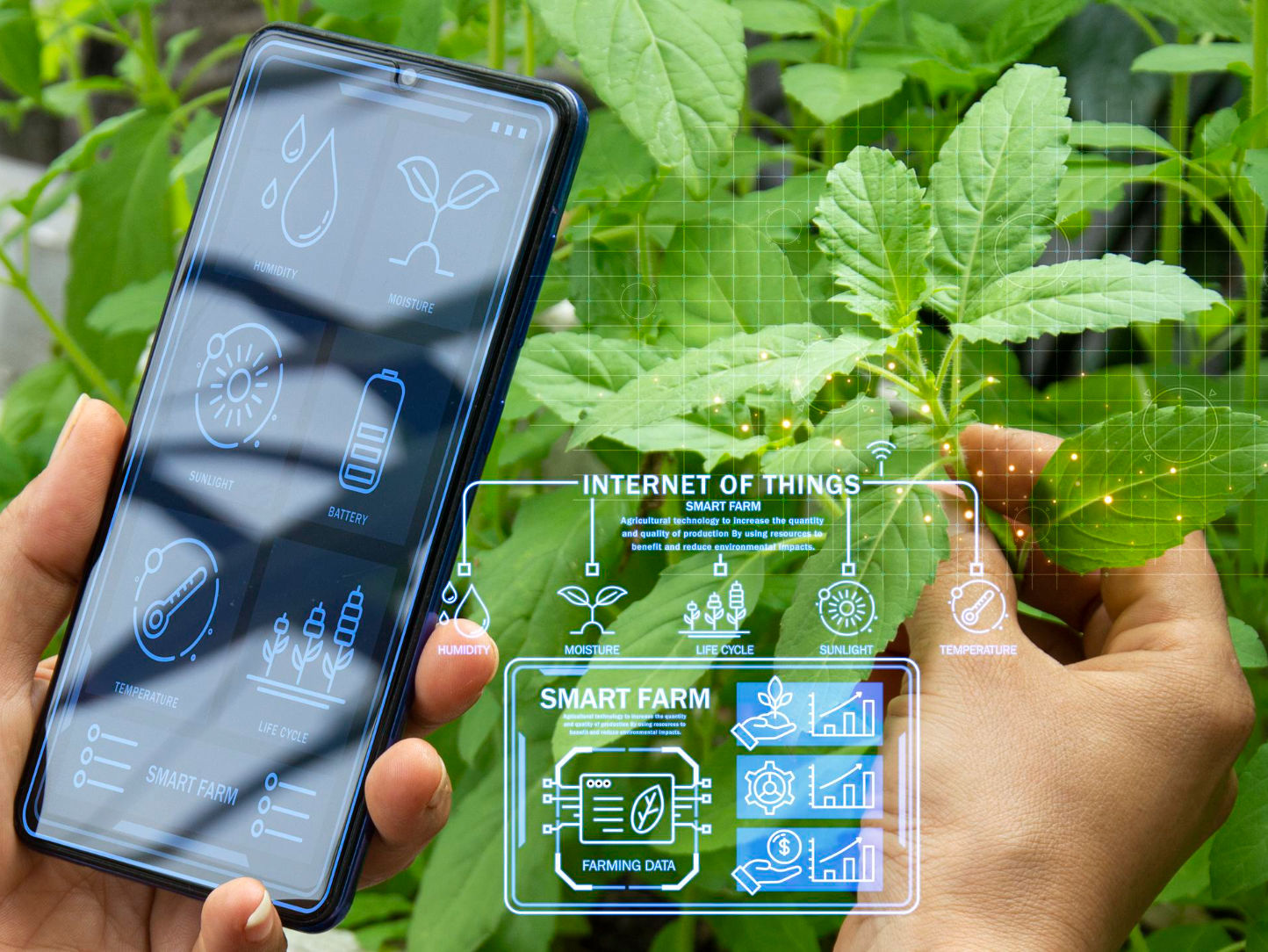
Students create connected systems that make homes, farms, classrooms and communities smarter.
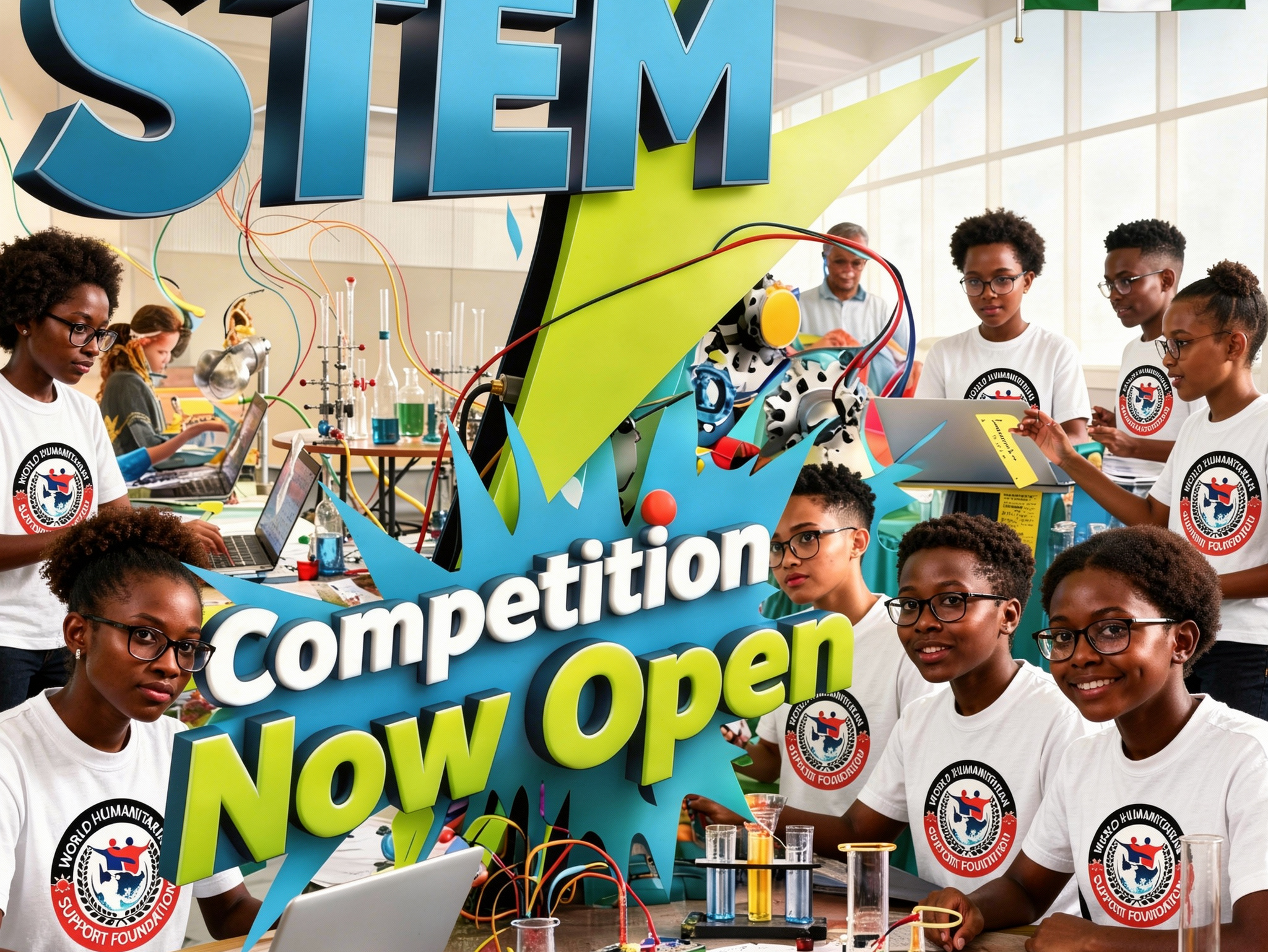
Learners develop responsible AI tools that improve access to education and personalized support.
Students build health technology ideas that support prevention, education, monitoring and access to care.
Students create tools that help communities prepare, respond and coordinate during emergencies.
Students develop practical systems that improve safety, connectivity, water access and sustainability in rural communities.
Project video lab
Videos help students connect classroom learning with real demonstrations, community impact and technology exposure.
Use this for smart village, disaster mapping, drone awareness and humanitarian coordination projects.
Useful for student project inspiration, STEM confidence, robotics ideas and digital inclusion learning.
Supports AI education, educational chatbot, language learning and e-learning project pathways.
Supports smart classroom, health education, environmental awareness and student innovation assignments.
Learning outcomes
Each project can become a portfolio item, classroom assignment, pitch competition, community pilot or verified certificate pathway.
Students learn to design, test and improve practical technology solutions.
Projects address education, waste, health, climate, safety and rural access.
Learners build evidence for internships, mentorship, entrepreneurship and scholarships.
Girls and young women see themselves as builders, creators and problem-solvers.