The hands-on learning studio of the WHSF Media Information Library. In six weeks, young people learn to question what they see online, check the facts, use AI responsibly and create trustworthy media for their communities.
Students, school leavers, youth organisations, content creators, emerging journalists, digital volunteers and early-career professionals, in person or online.
Young people are online every day. Not everything they see is true.
WhatsApp, TikTok, Instagram, Facebook, X and YouTube are where young people learn, work and speak up. They are also where false information, online scams, hate speech and AI deepfakes spread fastest. The MIL Lab turns young people from targets of misinformation into trusted voices for accurate information.
01
Think criticallyQuestion sources, motives and evidence before sharing.
02
Use AI responsiblyRecognise AI-generated and manipulated content, and use AI tools ethically.
03
Lead in the communityTeach peers and run local awareness campaigns.
The MIL Lab framework
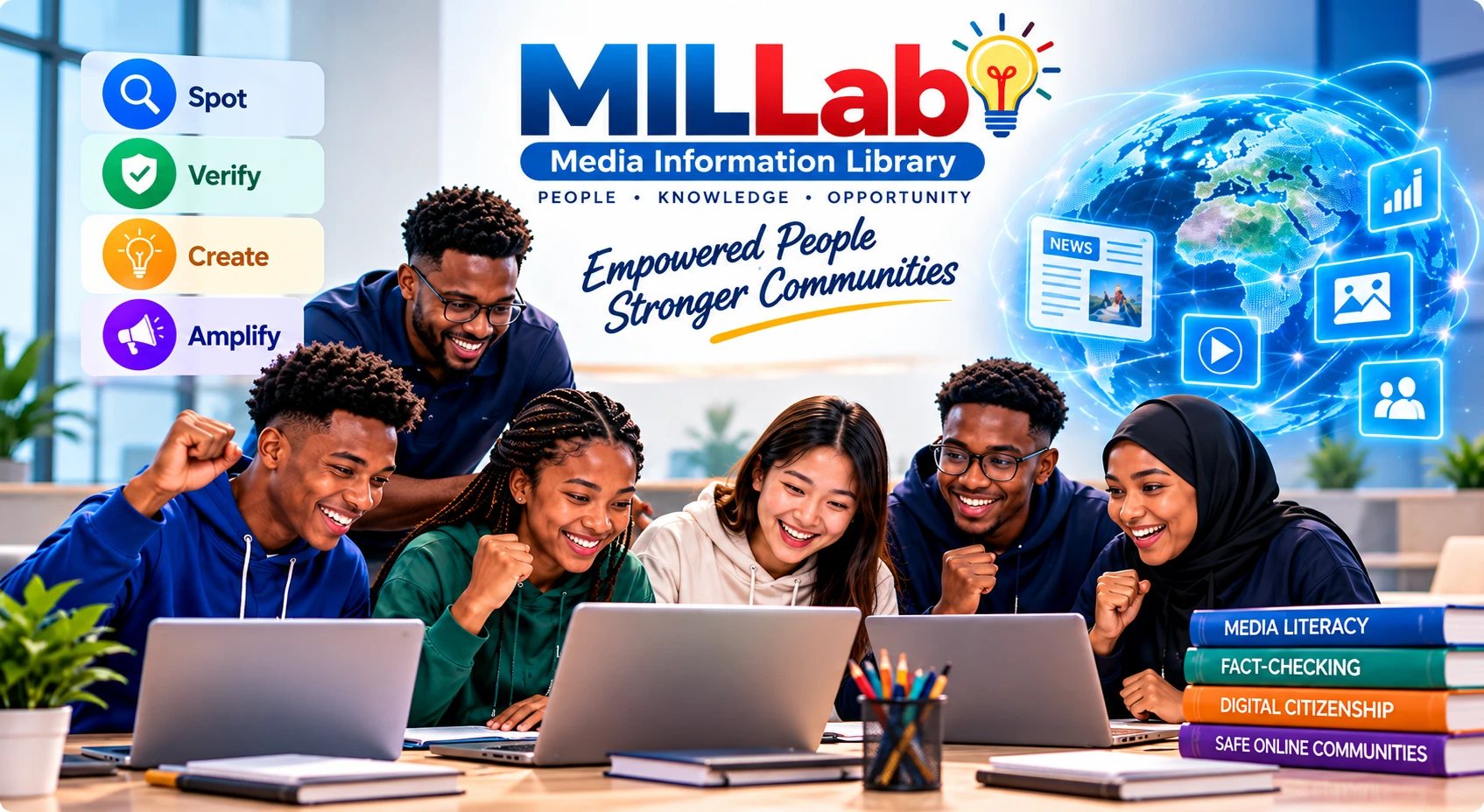
Spot → Verify → Create → Amplify
Every module, activity and project follows the same four steps, so learning turns into action.
01SpotRecognise misleading posts, manipulated images, deepfakes, scams and emotional bait.
02VerifyCheck facts with trusted tools: reverse image search, source tracing and cross-checking.
03CreateProduce original, ethical content: short videos, comics, podcasts, infographics and stories.
04AmplifyShare credible information through peer education, social media and community events.
What participants learn
Six practical learning modules
A hybrid programme with face-to-face workshops and online sessions, so more young people can take part.
M1MIL fundamentalsHow media and information work, and how to access, analyse and evaluate them.
M2Detecting misinformationMisinformation, disinformation, scams and online manipulation tactics.
M3Responsible AIAI opportunities, risks and ethics, and how to spot AI-generated content.
M4Fact-checkingPractical verification of claims, images, videos and sources.
M5Ethical content creationDigital storytelling and media production for social good.
M6Youth leadershipLeading peer education and community awareness as an MIL Ambassador.
The six-week journey
From first session to certified MIL Ambassador
Each week builds on the last and ends with something real: a skill, a piece of media or a community activity.
Week 1 · Planning and content development
Partner meetings, participant registration, curriculum and facilitator guides, and a baseline assessment so progress can be measured.
Week 2 · Producing learning materials
Participant workbooks, infographics, fact-checking toolkits, short educational videos and social media awareness content.
Week 3 · Training and capacity building
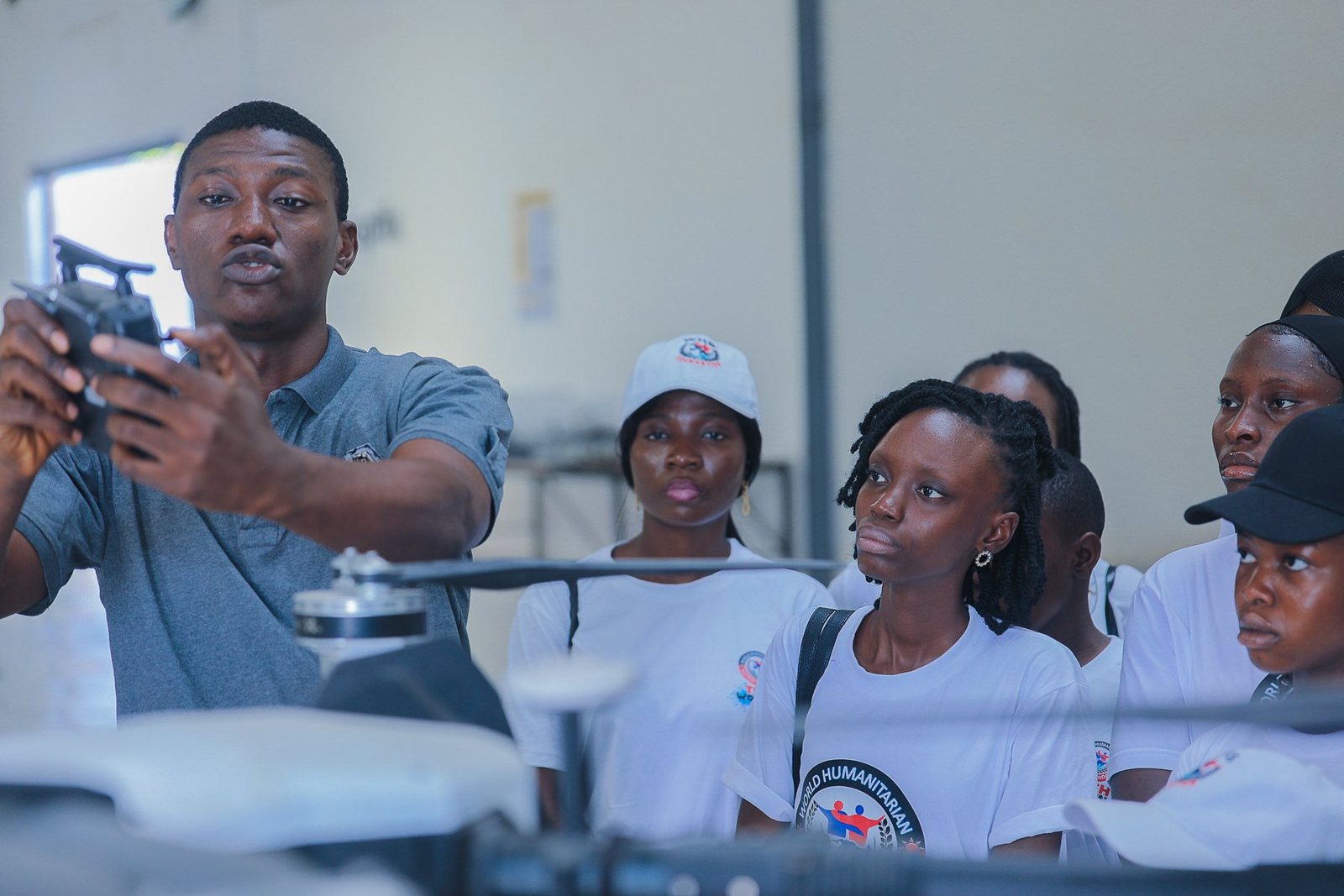
Interactive workshops on media literacy, AI literacy, fact-checking, digital safety and critical thinking, with mentors and practical exercises.
Week 4 · Youth Creative Challenge
Teams design media and campaigns that tackle misinformation: short films, podcasts, comics, infographics, motion graphics and interactive resources. Projects are presented to a panel and the best are recognised.
Week 5 · Community outreach and advocacy
Participants lead school and community sessions, peer education, social media campaigns and public exhibitions.
Week 6 · Evaluation, showcase and graduation
Final assessments, success stories, a project showcase, certificates and the launch of the WHSF MIL Ambassadors Network.
Pilot targets
What each MIL Lab cohort aims to achieve
50–100Young people trained per cohort
20+Youth MIL Ambassadors
100+Original MIL content pieces
10Youth organisations engaged
10,000People reached online
These are programme targets for a pilot cohort in Abuja, Nigeria, not results achieved. Results will be published on the impact dashboard after evaluation.
Who can join
Built for young people aged 18–30
University and polytechnic students, school leavers, youth and community organisations, young content creators and influencers, emerging journalists, digital volunteers and early-career professionals.
01
Inclusive by designGender balance, disability access and online options for those who can't attend in person.
02
Learn by makingEvery participant creates real media: a post, a short video or story, and a team project.
03
CertifiedGraduates receive a WHSF certificate and join the MIL Ambassadors Network.
How does the MIL Lab relate to the WHSF Media Information Library?
The Media Information Library holds WHSF's trusted learning resources. The MIL Lab is where young people practise those skills in person and online, and the toolkits, videos and guides they help make go back into the library for everyone.
Does it cost anything to take part?
The MIL Lab is a WHSF programme for young people and is not run for profit. Contact us for details of the next cohort.
Can my organisation host or partner on a MIL Lab?
Yes. Youth organisations, schools, media and technology partners can co-host cohorts, use the Training of Trainers package or sponsor learning materials. See Partner with us.
Where does it run?
The first cohort is planned for Abuja, Nigeria, with online participation so young people elsewhere can join. More locations will follow as partners come on board.